

What Is an ADU? A Complete Guide to ADU
In a time when housing costs are rising and families need flexible living options, Accessory Dwelling Units (ADUs) are becoming one of the smartest solutions in modern housing. You could hear them called “casitas,” “granny flats,” or “in-law suites,” ADUs are transforming backyards, garages, and basements across the country.
This complete guide explains what an ADU is, the different ADU types available, how much they cost, the pros and cons of building an ADU —and whether it’s the right move for your property.
ADU Meaning and Definition
An ADU, or Accessory Dwelling Unit, is a secondary housing unit built on the same lot as a primary residence. It has its own entrance, kitchen, bathroom, and living space—making it a fully independent home. In housing terms, an ADU is also known as an “additional dwelling unit,” “secondary unit,” or “backyard home.”
California is leading the ADU revolution thanks to a series of housing reforms passed since 2016. As of 2023, more than 113,000 ADU permits have been issued across the state, with ADUs accounting for 19% to 21% of all residential permits in recent years.
In Los Angeles County, ADUs now make up a significant portion of new housing. The region issued over 45,000 ADU permits by 2023, and some cities like San Fernando have permitted up to 70 ADUs per 1,000 housing units—the highest per capita rate in the state.
Demographics driving ADU demand include:
- Aging parents wanting to live near their family.
- Adult children need an affordable place to live.
- Homeowners seeking passive income through rentals.
- Eco-conscious homeowners favoring low-footprint housing.
Key Features of an ADU
- Private entrance separate from the main house, ensuring autonomy.
- Full kitchen and bathroom, making it a self-contained living space.
- Compact, efficient layout—ADUs typically range from 400 to 1,200 sq ft.
- Built to meet local zoning regulations, building codes, and lot coverage limits.
- Separate utility hookups (optional but common), such as water, sewer, and electricity.
- Energy-efficient design—smaller size means lower environmental impact.
- May include features like loft beds, multi-use furniture, and smart storage solutions.
- Suitable for a range of uses: rental unit, in-law suite, home office, or guest house.
In essence, an ADU house offers homeowners a way to maximize their property’s value and flexibility without needing to purchase additional land.
How ADUs Differ from Guest Houses, Tiny Homes, or Duplexes
When exploring your housing options, it’s easy to confuse an ADU with a casita, annex building, or even a tiny home. But while these terms may sound similar, the differences are important—especially when it comes to legality, functionality, and long-term use.
A casita, often found in Southwestern architecture, typically refers to a small, detached guest space. However, not every casita qualifies as an ADU. For a structure to meet the official ADU unit meaning, it must meet specific building codes, include a full kitchen and bathroom, and be approved through local permitting processes.
Likewise, while an annex building may describe any additional structure—like a studio, workshop, or guest suite—it doesn’t necessarily meet the criteria for an accessory dwelling unit. If it lacks separate utilities, permanent living facilities, or zoning approval, it’s not considered as what is ADU in construction terms.
Tiny homes are another common point of confusion. While some tiny homes can qualify as ADUs when placed on permanent foundations, many are mobile or built on trailers, which means they fall outside standard ADU housing meaning.
A duplex, by contrast, includes two full-sized, equal residential units—usually with separate utility meters and addresses. An ADU, however, is a secondary, smaller-scale home designed to complement a primary residence, not to replace it.
So, what is a casita, what is an annex building, and what is an ADU unit? The key distinction lies in regulation. An ADU is a legal, permanent dwelling—fully recognized under residential zoning and designed for independent occupancy. That’s what separates it from informal or temporary housing types.

Types of ADUs
From urban backyards to suburban basements, there are many creative ways to add an accessory dwelling unit to your property. Understanding the different types of ADUs can help you choose the right layout, location, and purpose for your space.
While every city has its own regulations, most homeowners exploring ADU options will fall into one of the following categories:
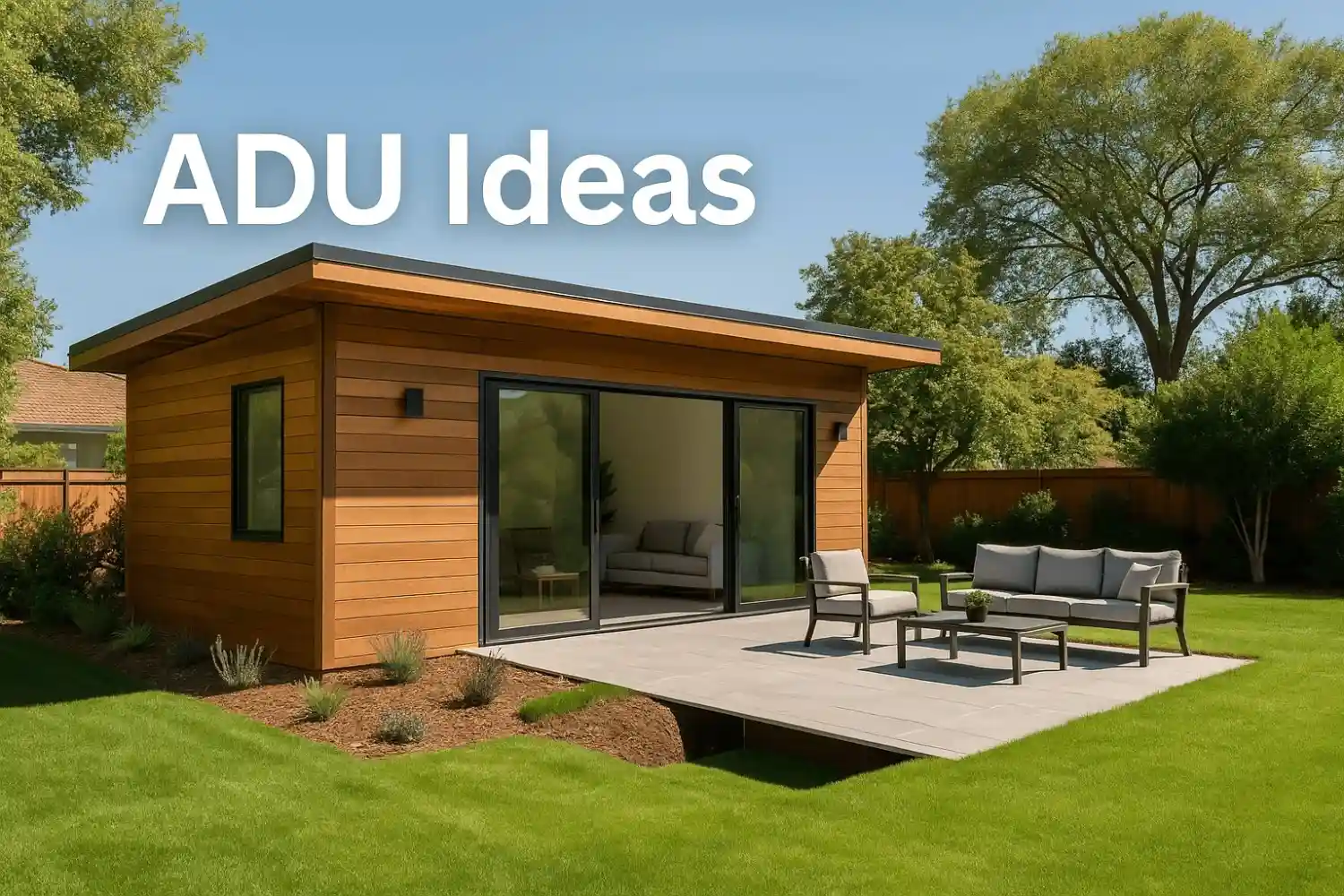
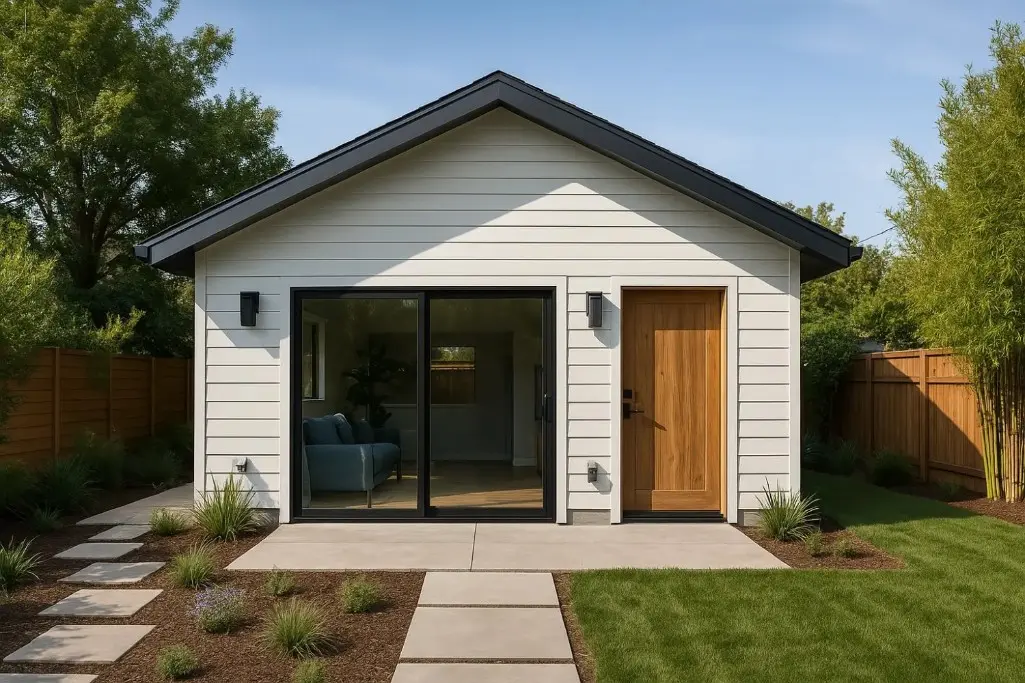
Detached ADUs

Attached ADUs
Built as an extension to the main house, attached ADUs are connected via a shared wall or structure. They’re great for homeowners looking to preserve yard space while adding a self-contained unit. In zoning terms, these are considered one of the more space-efficient types of attached houses.

Garage Conversions

Repurposing an existing garage is one of the most cost-effective ways to build an ADU house. These conversions are fully permitted and often faster to complete since the structure already exists. A smart way to turn underused space into a functional accessory dwelling unit.
Basement or Internal ADUs

These are built within the footprint of the main residence—often by finishing a basement or reconfiguring an underutilized section of the home. While invisible from the outside, they’re fully equipped examples of ADUs that comply with local housing codes.
Junior ADUs (JADUs)

A compact version of the standard unit, JADUs are under 500 sq ft and must be built within the primary home. They’re ideal for light use, such as housing a caregiver, college student, or aging family member. Among all types of ADU, JADUs typically require the fewest changes to your lot.
When comparing ADU options, it’s important to assess which layout aligns best with your goals, available space, and city zoning rules.
These examples of ADU construction show that whether you’re adding a backyard cottage, a loft over a garage, or a basement suite, there’s no one-size-fits-all answer. That’s the beauty of what’s an ADU—its flexibility.
Pros and Cons of Building an ADU

Benefits of Building an ADU
When homeowners begin researching what is a ADU or looking into the ADU meaning, one of the first things they discover is just how many advantages these compact homes offer. Whether you’re planning for extra income, housing flexibility, or long-term property value, the benefits of an ADU are both practical and financial.
So, what are the benefits of having an ADU on your property?
- Earn Passive Income: Rent out your ADU house as a long-term rental or short-term vacation unit. In high-demand markets, the income potential is significant.
- Support Multigenerational Living: Keep loved ones close—whether it’s aging parents, adult children, or extended family—without sacrificing privacy.
- Increase Property Value: Homes with legally permitted ADUs often sell for more and attract a broader pool of buyers.
- Use Space More Efficiently: ADUs turn underused areas—like backyards, garages, or basements—into high-functioning living spaces.
- Future-Proof Your Home: Whether for aging in place or creating a flexible home office, an ADU unit adapts with your changing lifestyle.
- Environmental Benefits: Smaller homes typically use fewer resources and energy, making ADU housing a more sustainable choice.
These are just some of the core ADU pros that explain why cities across the country are making it easier to build them. If you’ve ever asked yourself “What does ADU mean for my property value or daily life?”, the answer often comes down to versatility, freedom, and financial upside.
From adding a rental suite to creating a home base for families, the benefits of building an ADU go far beyond square footage—they open up new possibilities.
Disadvantages of an ADU
While there are many reasons to consider adding an accessory dwelling unit, it’s just as important to understand the challenges. If you’re wondering what is an ADU really like to live with—or to build—these factors are worth weighing before you move forward.
Even though what is a ADU house may sound like the perfect solution for extra income or family housing, it’s not without complications. Here are some of the most common downsides to consider:
- High Upfront Costs: Whether it’s a garage conversion or a new detached structure, building an ADU home can cost anywhere from $100,000 to $400,000+, depending on size, layout, and finishes.
- Complex Permitting Process: Getting approval for an ADU in housing often involves navigating strict zoning rules, design standards, and utility regulations—especially in cities with limited lot flexibility.
- Construction Disruption: If the unit is being added to your existing property, expect noise, dust, and possible restrictions to yard or driveway access during the build.
- Ongoing Maintenance: Adding a second livable space means more systems to maintain—plumbing, electrical, HVAC—which increases long-term responsibility.
- Limited Privacy: Sharing a lot with a tenant, family member, or guest can blur boundaries, especially if the ADU home is attached or has shared access points.
So while what is an ADU in housing may sound like a quick fix for affordability or family living, the reality involves careful planning, budgeting, and compromise. Still, for many homeowners, the long-term rewards outweigh the temporary obstacles.
How Much Does It Cost to Build an ADU?

The cost of building an ADU house can vary significantly depending on location, design, and the type of structure. Whether you’re planning a compact garage conversion or a high-end backyard unit, it’s important to understand the full investment required for this kind of additional dwelling unit.
Typical Cost Range
Building an ADU home generally costs between $100,000 and $400,000+, depending on materials, permits, labor, and customization. These estimates reflect the full process—from design and permitting to construction and inspections.
ADU Financing Options
Financing an ADU house project is more accessible today than ever, thanks to growing demand and legislative support. Common financing options include:
- Home Equity Line of Credit (HELOC) – Ideal if you have strong equity in your primary home.
- Cash-Out Refinance – Replaces your mortgage while freeing up cash for the build.
- ADU-Specific Loans – Offered by select lenders or local housing programs.
- FHA 203(k) Renovation Loans – Government-backed loans for property improvements.
While you’re exploring what is ADU housing, don’t forget to factor in not just the construction cost but also permits, impact fees, utility hookups, and site preparation. A well-planned accessory dwelling unit is a major investment—but one with long-term value and flexibility.
How to Build an ADU: Design and Construction Process

Understanding the building process helps clarify what’s an ADU home from a legal, architectural, and investment perspective. And if you’re still wondering what does ADU stand for in housing, this section shows what it means in real-world application—from foundation to final inspection.
Step 1 – Evaluate Your Property and Local Regulations
Start by checking your local zoning laws. Many cities in California have eased restrictions, but setback limits, parking, and lot coverage rules still apply. Knowing what’s possible on your land is the foundation for any successful project.
Step 2 – Choose the Right ADU Type
Are you planning a garage conversion, a detached unit, or an internal suite? Your choice will affect your timeline, budget, and overall design strategy. This is also the point where you begin to define what is ADU house in the context of your property’s potential.
Step 3 – Define Your Goals and Budget
Are you building for rental income, aging parents, or future resale value? These goals help determine finishes, square footage, and financing needs—especially if you’re still figuring out what is a ADU home best suited to your long-term plans.
Step 4 – Choose a Design and Layout
Work with a designer or architect to select a floor plan that fits your lot and lifestyle. Whether you’re adding a studio or a 2-bedroom unit, efficient design is key to a functional, code-compliant build.
Step 5 – Submit Permits and Approvals
The permitting stage can take weeks to months, depending on your location. Be prepared to submit site plans, structural drawings, and utility details to your city’s planning department.
Step 6 – Hire a Contractor or ADU Builder
Choosing a licensed professional is crucial for quality results and legal compliance. Companies like Perfecto Remodeling specialize in building high-quality ADUs across Los Angeles and Orange County. Our team guides you through the entire process—from initial planning to final inspection—so your ADU house is done right the first time.
Step 7 – Site Preparation and Utilities
This stage includes grading, trenching, and utility connections (water, sewer, gas, electric). It’s a critical step that lays the groundwork for a safe and fully functioning unit.
Step 8 – Construction and Inspections
Framing, roofing, insulation, and interior systems go up during this phase. Expect multiple inspections along the way to ensure everything meets local building codes.
Step 9 – Final Touches and Move-In
Once the structure is complete, finishes like flooring, fixtures, and paint are added. At this point, what began as a plan becomes a real, livable home—answering in full not just “what is a ADU house”, but what makes it a valuable asset.
Is an ADU the Right Move for You? Let Perfecto Remodeling Build It
An accessory dwelling unit is one of the most practical ways to increase living space, generate rental income, or accommodate multigenerational needs. The wide range of ADU types—from garage conversions to detached units—makes it easy to find a solution that fits both your property and your goals.
Understanding what is an ADU, its purpose, and the many benefits of building an ADU—including added value, flexibility, and sustainability—can help you make an informed decision.
Perfecto Remodeling provides full-service ADU construction across Los Angeles and Orange County. With experience in design, permitting, and building, our team delivers high-quality results for any additional dwelling unit project.
FAQ
Can an ADU Be Attached?
Yes, ADUs can be attached to the main home, often sharing one wall or structural component.
What Is a Detached ADU?
A detached ADU is a separate structure on your lot—often called a casita, backyard cottage, or standalone guest house.
What’s One Drawback of an ADU?
Initial costs and permitting delays are among the biggest challenges.
What’s the Difference: Attached vs Detached ADU?
Attached ADUs connect to your main home; detached ones are standalone buildings, offering more privacy but requiring more land.
Is an ADU House a Good Investment?
Yes. ADUs can significantly raise home value and generate rental income—especially in high-demand markets.
What Do I Need to Know About Zoning for Accessory Dwelling Units When Planning an ADU?
Zoning rules vary by city and lot. You’ll need to confirm setbacks, height limits, lot size, and occupancy limits.
What Are the Size Limits and Lot Coverage Rules for ADUs?
In California, detached ADUs can be up to 1,200 sq ft in many cities, but local rules may limit height or require setbacks of 4 ft from property lines.
What Role Do Parking and Setbacks Play in Building an ADU?
Most ADUs must meet setback rules (e.g., 4 ft from rear and side property lines). Parking is often waived near public transit, but requirements vary.
Will I Need a Permit to Add a Backyard Guest House?
Yes. All legal ADUs require city permits for construction, zoning, and occupancy.
Is a Kitchen Required in an ADU?
Yes. For it to be a legal ADU, a permanent kitchen is required.
Do Guest Houses or In-Law Suites Increase Property Value?
Absolutely. ADUs can boost resale value and rental potential, especially in California’s competitive market.